
Context
This lesson was delivered to a Year 9 mathematics class in a semi-rural high school setting. The class consists of 23 students (11 girls and 12 boys) with overall average academic ability. Within the cohort, there are four students diagnosed with ADHD and two with ASD. 4 students identify as Aboriginal and one of them was away on the day for cultural reasons. Additionally, one student is supported by a One Plan and is currently accessing Year 7 curriculum content. (1.5, 1.6). The lesson was also observed by my mentor to provide feedback that would inform ongoing reflection and improvement of my teaching practice. (6.3). The lesson is available online through the portal which means that any student who misses the lesson for any reason can still see and do the required work.
Prior to this lesson, students completed a diagnostic assessment which indicated significant gaps in previously taught algebra concepts. This informed the need for a consolidation-focused lesson to rebuild foundational skills. (2.1, 2.2, 3.6, 5.1, 5.3, 5.4).
Actions
The lesson commenced with established classroom routines. Students lined up outside, entered in an orderly manner, and prepared required materials. A designated student distributed books, supporting classroom responsibility and structure. (4.1, 4.2)

A lesson starter activity was implemented to reinforce prior learning and provide an opportunity for informal student check-ins (2.2, 5.3). During this time, targeted support was provided to the student working at a Year 7 level (1.5, 1.6, 2.2, 3.4). The use of an interactive textbook allowed this student to access differentiated content discreetly, maintaining inclusivity and dignity.(1.5, 3.4)
Following roll marking and individual greetings, the lesson starter was reviewed as a class. Student self-assessment was encouraged using a thumbs up/down strategy, though participation — particularly among female students — was limited. (5.1, 5.2)
The main lesson followed a structured gradual release model:
- Warm-up activity
- Direct instruction (“I do”)
- Guided practice (“We do”)
- Independent practice (“You do”) (2.2, 3.1, 3.2, 3.3)
This approach enabled differentiation, allowing more capable students to progress independently while providing support to those requiring additional scaffolding. Independent work was further differentiated through flexible ability groupings (called Flakes, Mars Bars, Snickers), facilitated by the interactive textbook. (1.5, 2.6, 3.4)
During the lesson, several behavioural challenges arose (4.3, 4.4). Two students were frequently off-task, with one in particular failing to commence work due to disengagement during instruction. Additional low-level disruptions from other students were addressed promptly. Targeted intervention with the previously off-task student later in the lesson resulted in some task completion.
The lesson concluded with established pack-up routines, ensuring a structured and orderly dismissal. (4.2)
Results
Student engagement and productivity varied throughout the lesson. While many students were able to engage with the differentiated tasks and demonstrate progress, some behavioural disruptions impacted overall learning time.
The structured lesson format supported most students in accessing the content, and the use of the interactive textbook proved effective for differentiation. The discreet support provided to the student on a modified curriculum allowed for meaningful participation without social stigma. (1.5, 3.1, 3.3, 3.4)
However, delayed intervention with off-task students reduced both individual and class productivity. Additionally, limited participation in formative feedback strategies highlighted a need to improve student confidence and willingness to engage, especially among female students.
Evaluation
Feedback from my mentor observation, combined with my own reflection and analysis of student learning data, informed several changes to my teaching practice (6.3). Several adjustments were implemented following reflection on the lesson. Following reflection on the lesson, earlier intervention strategies were introduced for off-task behaviour, including the consistent implementation of the school’s Positive Behaviour for Learning (PBL) framework. (4.3, 6.3, 7.2) A consistent response was maintained: students who engaged with their learning and sought assistance received support, while those who continued to disrupt the learning environment despite intervention were removed from the classroom to minimise the impact on others. (7.2)
A seating plan was introduced to minimise distractions and separate students prone to off-task behaviour. This has resulted in improved focus and increased work completion across the class, with some students demonstrating increased productivity and confidence. (4.2, 6.3, 4.3)
Efforts were also made to redistribute female students throughout the classroom to encourage greater independence and participation. While progress in this area is ongoing, initial changes suggest a positive shift. (1.1, 4.3, 6.3)
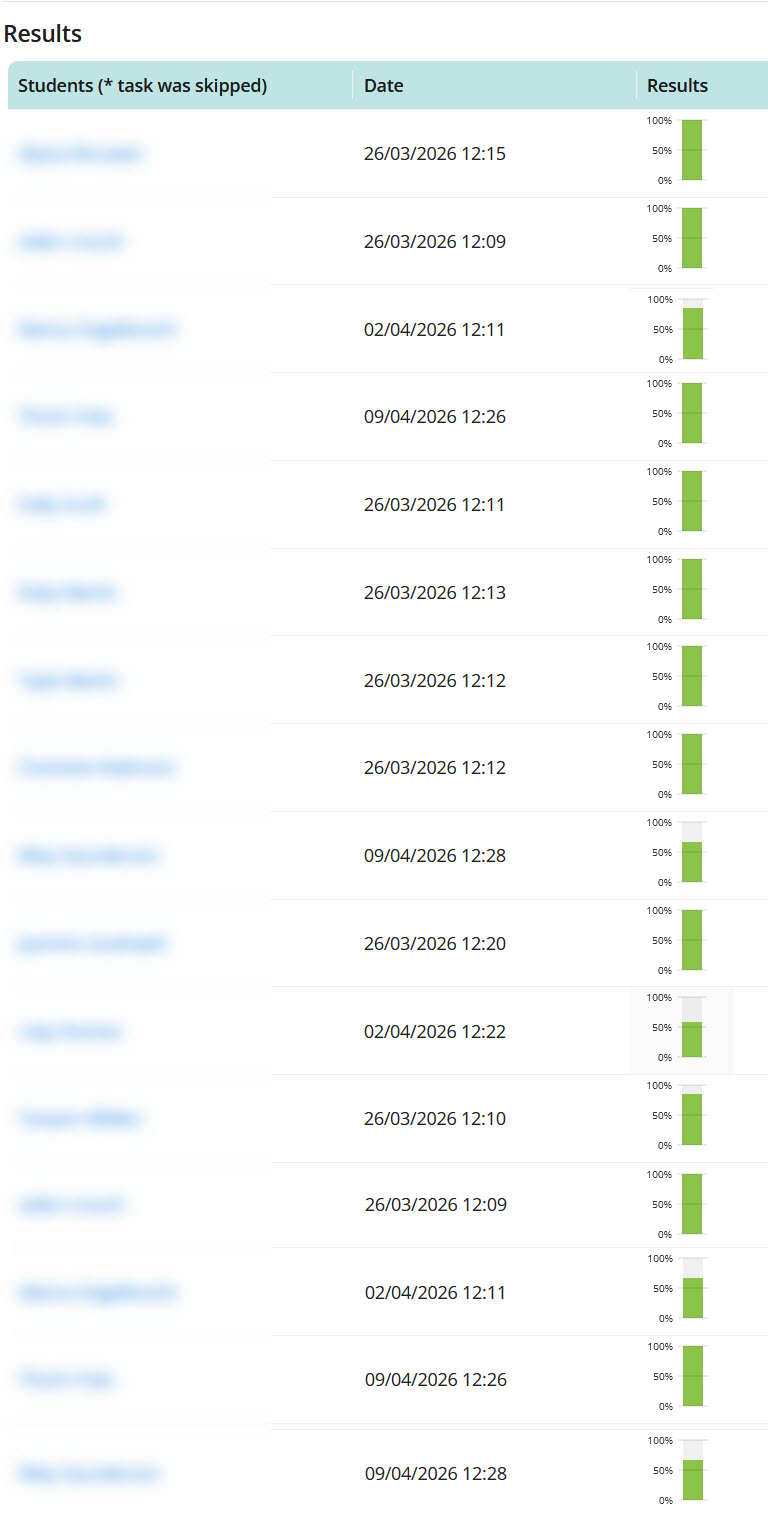
Subsequent formative assessment indicated that most students successfully applied the algebra concepts taught during the lesson sequence, with the majority achieving high levels of success (5.4). These results suggest that the combination of explicit instruction, differentiated learning tasks and ongoing formative assessment supported improved student understanding. Assessment data also identified a small number of students requiring further consolidation, particularly with combining unlike terms, informing subsequent lesson planning.
Artefacts
| Evidence | Demonstrates |
|---|---|
| Year 9 Teaching Plan | Curriculum planning, explicit instruction and classroom routines |
| Year 9 Lesson Plan | Learning intentions, success criteria and differentiation |
| Diagnostic Algebra Assessment | Assessment used to identify prior knowledge and inform planning |
| Lesson Starter Activity | Formative assessment and activation of prior knowledge |
| One Plan (Learning Adjustments) | Curriculum adjustments for a student with identified learning needs |
| Mentor Observation Notes | Independent observation of teaching practice and classroom management |
| Follow-up Algebra results | Evidence of student learning and impact of teaching |
| Seating Plan | Classroom management adjustment implemented following reflection |
Standards and Focus Areas
#1 Know the Students (1.1, 1.5, 1.6)
#2 Know the Content (2.1, 2.2, 2.6)
#3 Plan Teaching and Learning (3.1 3.2, 3.3, 3.4)
#4 Safe Learning Environment (4.1, 4.2, 4.3, 4.4)
#5 Assess, Feedback and Report (5.1, 5.2, 5.3, 5.4)
#6 Engage in Professional Learning (6.3)
#7 Professional Engagement (7.2)